The Ultimate Armor: The Design of Protection
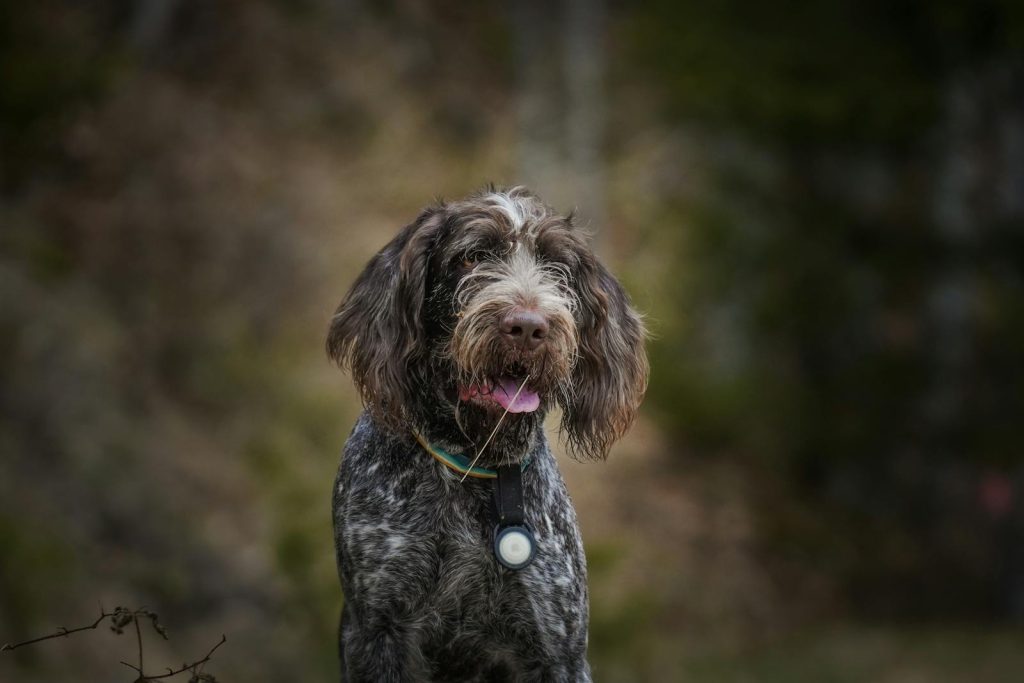
Let’s start with the feature that defines the breed: the distinctive, harsh, and wiry coat. While these dogs are incredibly handsome, often striking a wonderful balance between ruggedness and dignity, every hair on a GWP serves a deliberate, functional purpose. This is the dog’s full-body suit of armor, meticulously engineered to ensure the dog can work relentlessly, regardless of whether it’s crashing through thorn thickets in the forest or retrieving from icy water in a wetland.
The most noticeable features—the shaggy eyebrows and the impressive beard (the Schnurrbart)—are survival mechanisms. The eyebrows shield their eyes from debris, twigs, and glare, while the beard acts like a sieve, protecting the sensitive muzzle and preventing water from soaking the skin when the dog plunges its face into the water or heavy brush. The entire coat, however, is the true marvel.
The Science of the Double Coat
The GWP coat is a true double coat, consisting of two critical layers that work in tandem to insulate, protect, and repel.
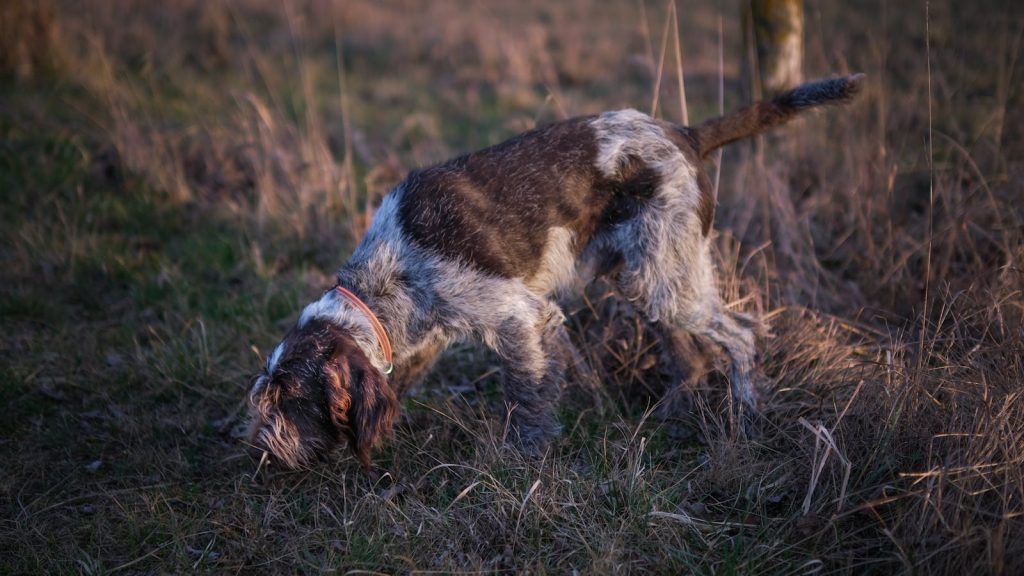
- The Outer Coat (The Wire): This is the harsh, dense, and straight topcoat, approximately one to two inches long. Its texture is incredibly important. It’s stiff and bristly, acting like a thicket of pliable armor. When the dog pushes through dense cover, this layer deflects thorns, burrs, and abrasive brush, preventing the delicate skin beneath from being cut or scraped. Crucially, the harsh texture makes it highly water-repellent. Water beads up and runs off the coat, preventing the dog’s skin from getting soaked and chilled.
- The Undercoat (The Insulation): This dense, soft, and much shorter layer lies close to the skin. It thickens dramatically in winter to provide exceptional insulation against the cold and helps regulate temperature in warmer weather. The amount of undercoat varies greatly depending on the season and the dog’s environment.
This scientifically perfect combination is what allows the GWP to move seamlessly from the warmth of the home to the harsh reality of a cold, wet field without missing a beat—a capability that defined the success of the breed’s founders.
Debunking the Shedding Myth: The Truth About Low Maintenance
Because their coat is so specialized, the GWP is often mistakenly labeled as a non-shedding or hypoallergenic dog. This is inaccurate. They do shed, but the shedding process is different from that of a smooth-coated dog like their cousin, the German Shorthaired Pointer.
Thanks to the wire coat’s stiffness and density, the dead outer coat hairs often get trapped in the coat rather than falling out all over your furniture. While this results in less hair on your floors, it means the dead hair must be removed manually to allow the healthy new coat to grow.
This leads us to the GWP’s unique grooming requirement: hand-stripping.
The Art of Hand-Stripping
Hand-stripping is the simple, necessary process of manually plucking out the dead outer coat hairs a few times a year, typically with the aid of a stripping knife or stone.
- Why is it necessary? It’s essential for maintaining the coat’s proper harsh, protective texture. If you simply clip or shave a GWP coat, you cut the wire hairs instead of pulling out the dead root. The new hair that grows back from the cut follicle is often softer, loses its weather-resistance, and can dull the dog’s coloring. For a true working GWP, a clipped coat sacrifices the protection the dog was designed to rely on.
- Is it painful? Absolutely not. The hair being removed is already dead and ready to fall out. The process is similar to a human brushing loose hair out of their head. A well-trained GWP will stand patiently for the procedure, which can take an hour or two depending on the density of their coat.
For the pet owner, professional stripping 2–4 times a year, combined with a quick weekly brush-down to remove trapped debris, is usually enough. The time saved in not having to bathe and blow-dry a long-haired dog, or deal with constant shedding, often makes the occasional stripping session an easy trade-off.
Caring for the Furnishings
Beyond the body coat, the furnishings require specific attention:
- The Beard: This area tends to trap food and moisture. It needs to be brushed frequently and occasionally washed to prevent odors and irritation. After a wet retrieve, or after a meal, a quick towel-dry is highly recommended.
- The Ears: Because they are drop ears, they can trap moisture, making the GWP prone to ear infections, especially after swimming. Regular cleaning and drying after any water activity are vital.
Understanding and respecting the GWP coat isn’t just about good grooming; it’s about honoring the functional purpose of the breed. It keeps them clean, dry, protected, and ready for their next big adventure, just as their German founders intended.